







What a connected facility means for the public sector.
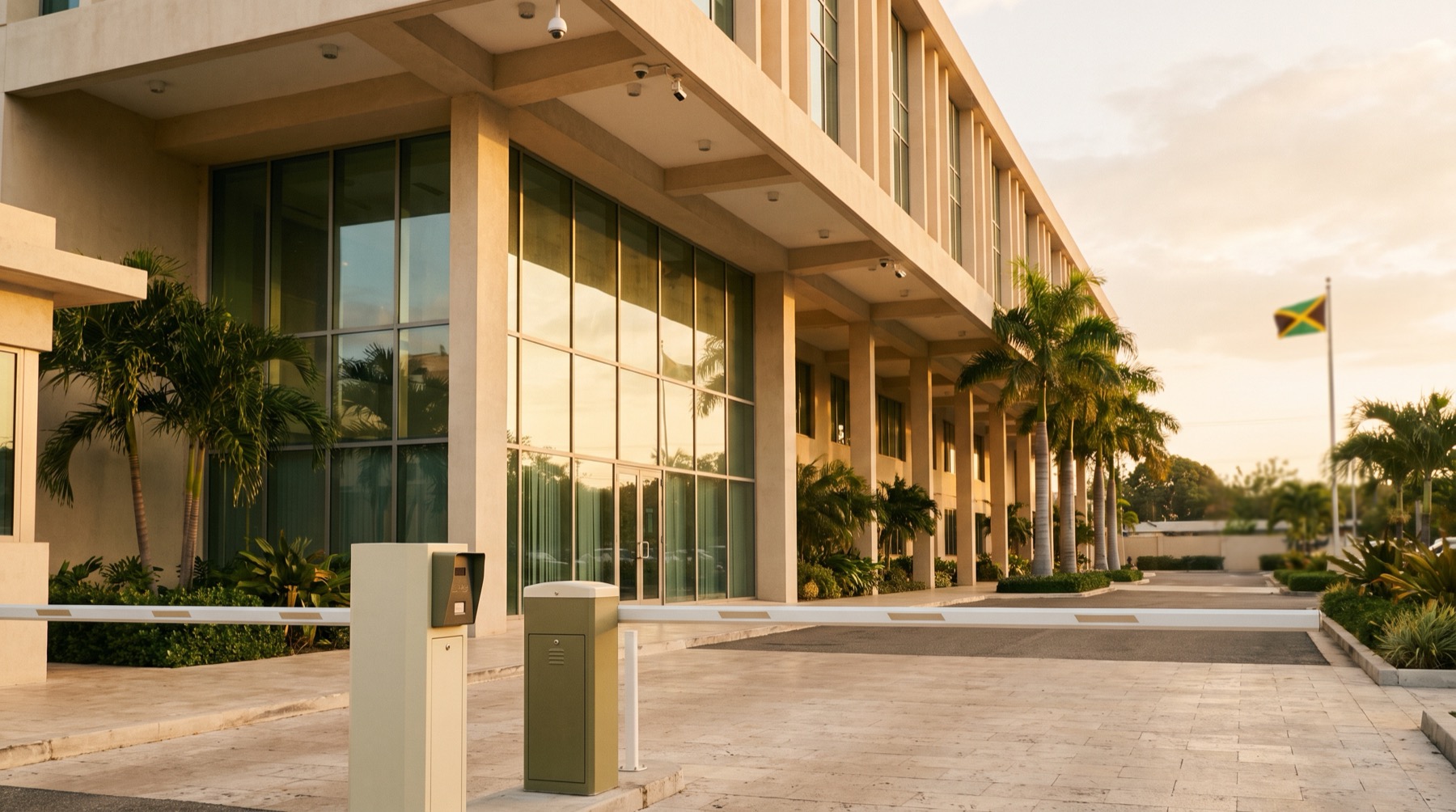
Public buildings carry a duty the private sector doesn’t: every camera, every door log and every visitor record belongs, ultimately, to the public. That changes how the technology should be built.
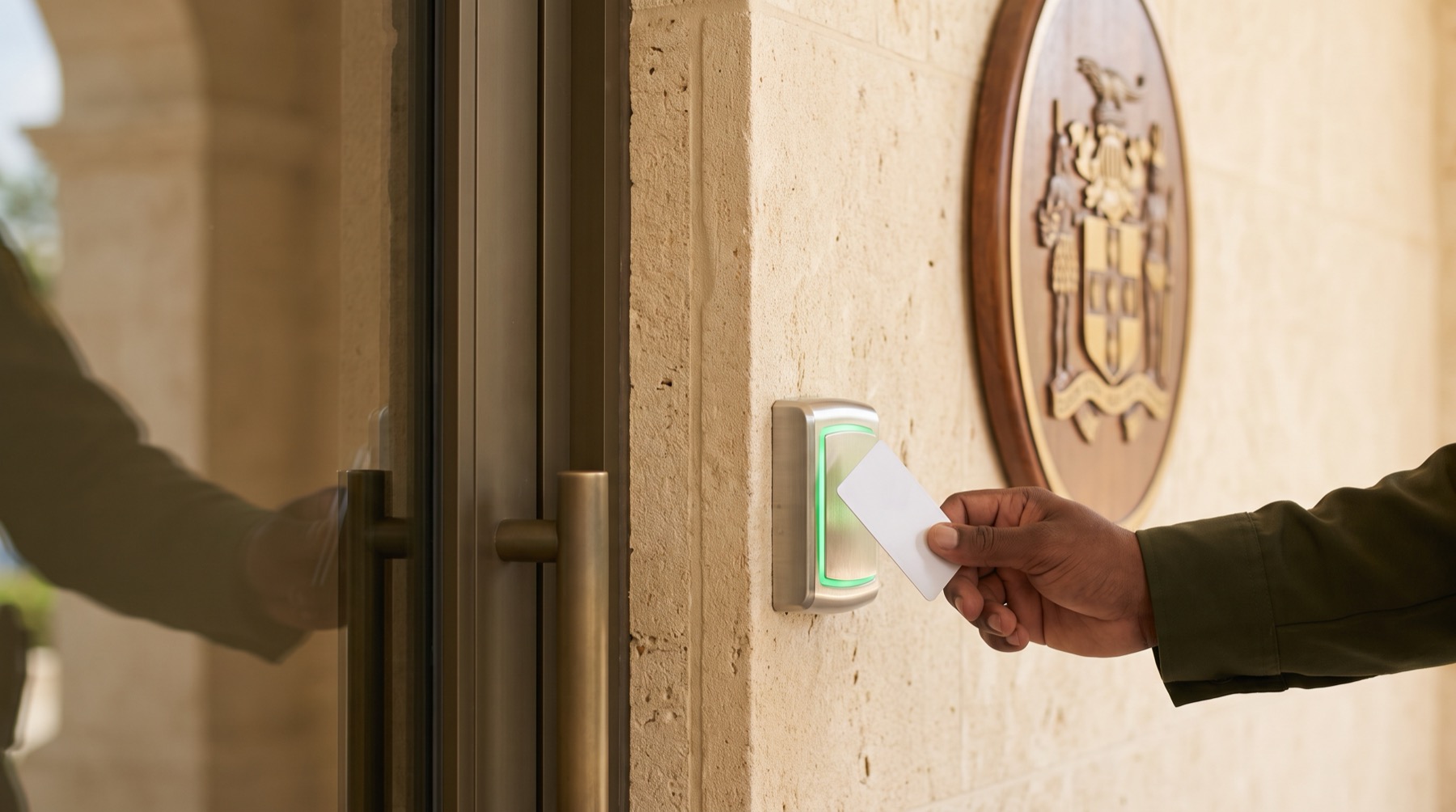
Walk into most public buildings in the region and you will find the same quiet patchwork: an aging camera recorder in a closet, a visitor book with a pen on a string, an alarm code taped inside a drawer, and WiFi that staff gave up on years ago. None of it talks to anything. And when something goes wrong, the first question, “what actually happened?”, takes days to answer.
The record is the point
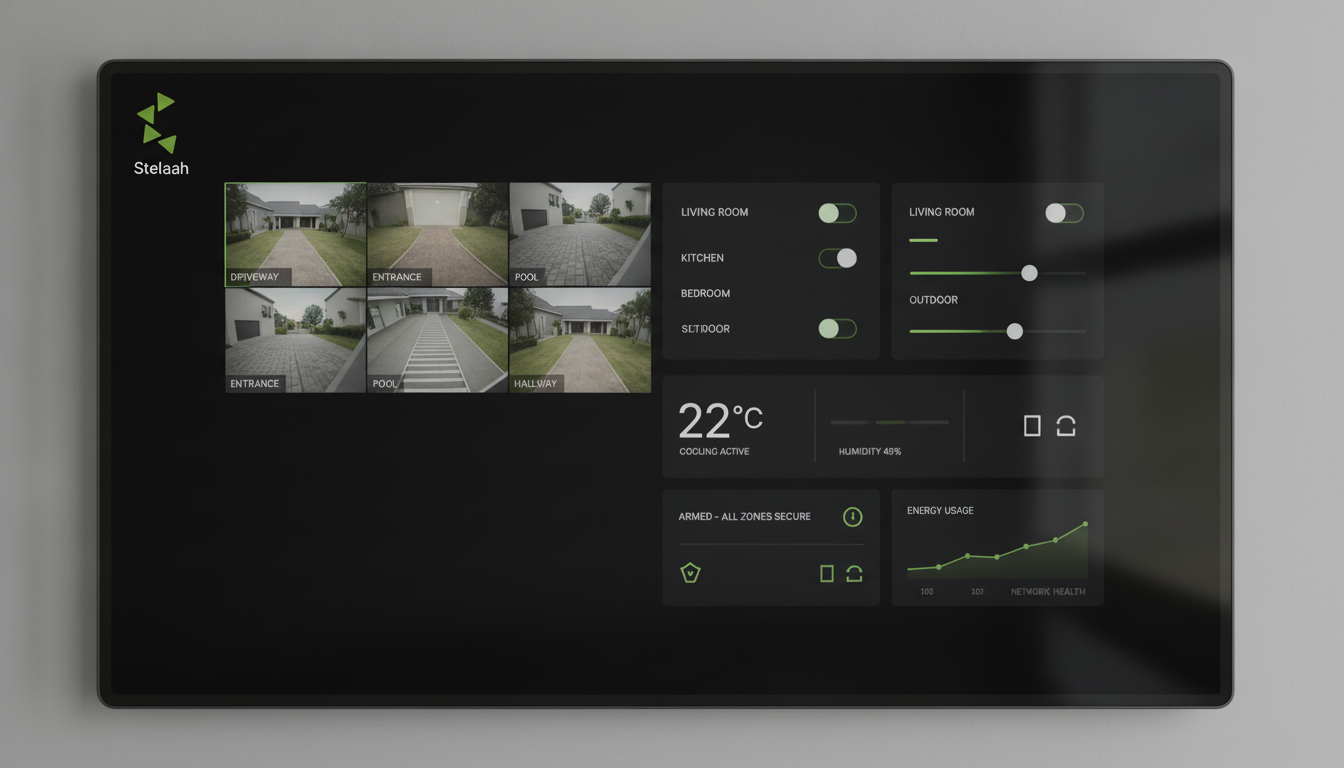
A connected facility flips that. Every badge at every door, every visitor signed in at reception, every camera clip and every alarm event lands in one system with a timestamp and an identity attached. When an incident is reviewed, the timeline assembles itself in minutes. Accountability stops depending on memory, and audits stop being archaeology.
In the public sector, the record is not paperwork. The record is the public’s proof.
Sovereignty is not optional
Here is the uncomfortable question for a ministry buying security technology: where does the footage actually go? With many popular systems the honest answer is a data centre in another country, under another jurisdiction’s laws, on another company’s terms. For a private villa that is a preference. For a government facility it is a policy failure waiting to be noticed.
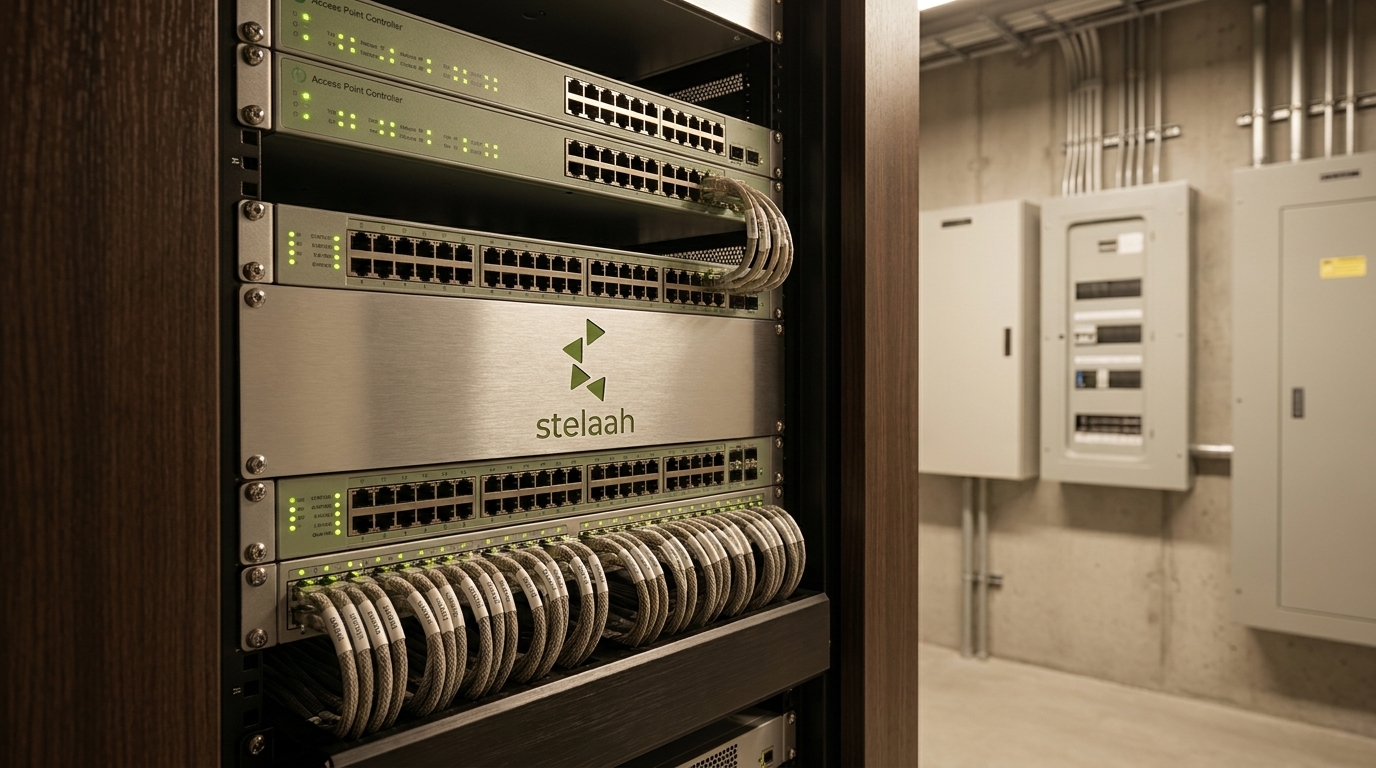
Stelaah builds public-sector systems the other way. Processing and storage live on equipment inside the facility. Nothing routes through a foreign cloud, nothing is readable by us, and the system keeps working when the internet does not. The data stays where the duty lives.
Resilience is a Caribbean requirement
Public buildings are exactly the ones that must keep working during a storm: shelters, clinics, administrative centres, utilities. So the design assumes the bad week. Local recording that never depended on the cloud. Access control that runs on battery. Failover internet for the alerts that matter. When the grid stumbles, the facility does not.
One vendor, one throat to choke
Procurement officers know the failure mode: five vendors, five contracts, and every problem living precisely in the gap between two of them. A connected facility from a single accountable partner means one specification, one support agreement and one company responsible from the site walkthrough to the fifth year of maintenance. That is not a convenience. In public service, it is how things stay working.
 stelaah technologies
Automation, security, networking, displays and monitoring. Planned, installed and supported as one system.
info@stelaahtechnologies.com